






Emerald Gemstone – The Timeless Green Treasure
The Emerald gemstone is one of the world’s most admired and valuable precious gemstones. Known for its rich green color and exceptional beauty, emerald has been treasured by kings, queens, and collectors for thousands of years. It belongs to the Beryl mineral family and gets its stunning green color from traces of chromium and vanadium.
Whether you are purchasing an emerald for jewelry, investment, astrology, or collection purposes, understanding its quality, origin, and characteristics is essential. This guide covers everything you need to know about emerald gemstones.
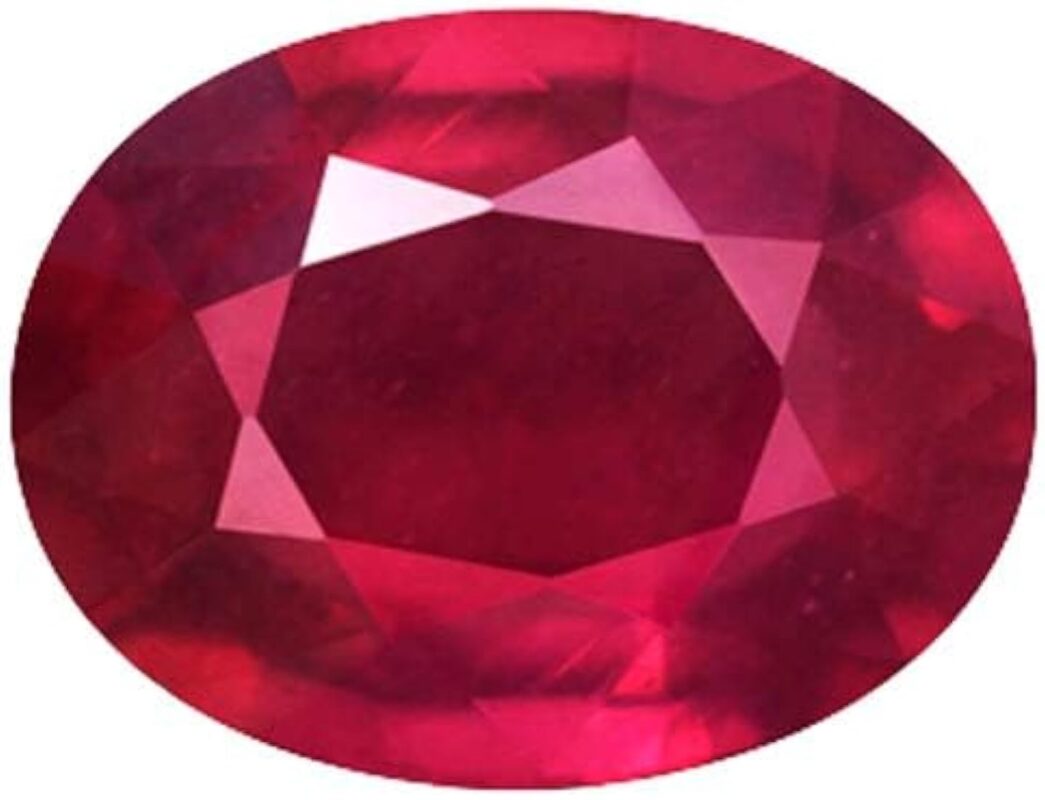
What is an Emerald?
Emerald is a precious gemstone formed naturally deep within the Earth’s crust over millions of years. It is one of the “Big Four” precious gemstones alongside Diamond, Ruby, and Sapphire.
Its vibrant green color symbolizes growth, prosperity, wisdom, love, and renewal. Due to its rarity and beauty, high-quality emeralds often command premium prices in the gemstone market.
Mineral Information
- Mineral Family: Beryl
- Chemical Formula: Be₃Al₂Si₆O₁₈
- Hardness: 7.5–8 on the Mohs Scale
- Crystal System: Hexagonal
- Refractive Index: 1.57–1.58
- Specific Gravity: 2.67–2.78
Origin of Emerald Gemstones
Emeralds are mined in several countries around the world, each producing stones with unique characteristics.
Colombian Emeralds
Colombia produces some of the world’s finest emeralds. These gemstones are famous for their rich, vivid green color, excellent transparency, and high market value.
Zambian Emeralds
Zambian emeralds are known for their deep bluish-green color, exceptional clarity, and durability. They have become increasingly popular among jewelry lovers worldwide.
Brazilian Emeralds
Brazil produces emeralds in various shades of green. They are often more affordable while still offering excellent beauty and quality.
Ethiopian Emeralds
Ethiopian emeralds are relatively new to the international market and are appreciated for their attractive color and increasing availability.
Other Sources
Emeralds are also mined in:
- Afghanistan
- Pakistan
- Madagascar
- Russia
- Zimbabwe
- India (limited production)
Color of Emerald
Color is the most important factor determining an emerald’s value.
The finest emeralds display:
- Rich green color
- Slight bluish-green tone
- Even color distribution
- Strong saturation
- Medium to medium-dark tone
Very light stones are generally classified as green beryl rather than emerald.
Clarity of Emerald
Unlike diamonds, emeralds naturally contain internal inclusions known as “jardin”, the French word for “garden.”
These inclusions:
- Confirm natural origin
- Make every stone unique
- Rarely reduce beauty if not excessive
Completely flawless natural emeralds are extremely rare and highly valuable.
Emerald Cut
Although emeralds can be cut into many shapes, the most famous is the Emerald Cut, specially designed to reduce pressure during cutting and protect the gemstone from damage.
Popular shapes include:
- Emerald Cut
- Oval
- Cushion
- Pear
- Round
- Cabochon
Emerald Treatments
Most natural emeralds undergo minor oil treatment to improve clarity and appearance.
Common treatments include:
- Cedar oil filling
- Natural oil enhancement
- Resin filling (less preferred)
Reputable gemstone sellers should always disclose any treatments performed on the stone.
Astrological Benefits of Emerald
In Vedic astrology, Emerald is associated with the planet Mercury (Budh).
It is traditionally believed to support:
- Intelligence
- Communication skills
- Memory improvement
- Business success
- Financial growth
- Creativity
- Confidence
- Decision-making ability
Many people wear emerald after consulting a qualified astrologer to ensure it is suitable for their birth chart.
Healing Properties
Although not scientifically proven, crystal enthusiasts believe emerald promotes:
- Emotional balance
- Mental clarity
- Positive thinking
- Harmony in relationships
- Inner peace
- Spiritual growth
- Stress reduction
These beliefs are based on traditional practices and should not replace professional medical advice.
Emerald Jewelry
Emerald is widely used in luxury jewelry, including:
- Rings
- Pendants
- Necklaces
- Earrings
- Bracelets
- Bangles
It pairs beautifully with:
- Yellow Gold
- White Gold
- Platinum
- Sterling Silver
- Rose Gold
How to Identify a Natural Emerald
Before purchasing an emerald, consider the following:
- Buy from a trusted gemstone dealer.
- Ask for a gemstone certification from a reputable gemological laboratory.
- Check the color consistency.
- Examine natural inclusions.
- Confirm any treatments.
- Avoid deals that seem unrealistically cheap.
Professional certification provides greater confidence in the gemstone’s authenticity and quality.
How to Care for Emerald
Emeralds require proper care because they naturally contain inclusions.
Follow these tips:
- Clean with lukewarm water and mild soap.
- Use a soft cloth or brush.
- Avoid ultrasonic cleaners.
- Protect from hard impacts.
- Store separately from harder gemstones.
- Avoid harsh chemicals and excessive heat.
Proper maintenance helps preserve the gemstone’s beauty for many years.
Factors That Affect Emerald Value
Several factors determine an emerald’s market price:
Color
Rich, vivid green stones are the most valuable.
Clarity
Fewer visible inclusions generally increase value.
Cut
A well-proportioned cut enhances brilliance and overall appearance.
Carat Weight
Larger emeralds are significantly rarer and more expensive.
Origin
Colombian emeralds often command premium prices, though exceptional stones from Zambia and Brazil are also highly sought after.
Certification
Certified gemstones typically inspire greater buyer confidence.
Why Choose an Emerald?
Emerald remains one of the most desirable gemstones because of its:
- Timeless beauty
- Rich green color
- Historical significance
- Strong collector demand
- Excellent jewelry appeal
- Rarity
- Investment potential for exceptional-quality stones
Whether worn as a statement piece or kept in a gemstone collection, emerald continues to symbolize elegance and sophistication.
Final Thoughts
The Emerald gemstone has captivated civilizations for centuries with its breathtaking green color and remarkable rarity. From the legendary Colombian mines to the modern jewelry market, emerald remains one of the world’s most treasured precious gemstones.
When purchasing an emerald, focus on color, clarity, cut, origin, treatment disclosure, and certification rather than price alone. A high-quality natural emerald can become a cherished heirloom that retains both beauty and significance for generations.
Whether you appreciate emerald for its natural elegance, collectible value, or traditional astrological associations, it remains one of nature’s most extraordinary creations.


